HVAC/R Technology: The most neglected part of the system
The most important part of the condensate drainage system is the trap. As critically necessary as a trap is, it's also equally as much of where most problems start, because this is where restrictions are most likely to develop. Traps, trap more than just the water they collect, foreign debris often gets caught too. The water that flows through a trap is not at a high velocity, there is periodically no flow at all. With the trap holding water for long periods of time, these conditions allow for slime and sludge to develop and in turn cause restrictions in the condensate drain... Now, you have a problem!
Not to mention a health issue, as it becomes a very serious breeding ground for bacteria and mold that is in contact with the air you breath...
... Now with that being said,
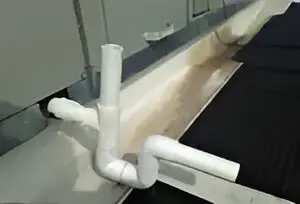
Here's what I find rather interesting, as an industry-standard we continue constructing field made condensate traps out of a series 90° fittings in the same fashion as they did back in the early 1900's despite our ever-advancing technology. The condensate drain system continues to be such an oversight, no real effort has ever been put into improving the functionality and practicality of the condensate trap. The filtration system has improved and advanced exponentially over time and yet it's the condensate drainage system that can cause the most damage in structure and health. This is a sure sign of how we can all get conditioned in our traditional way of thinking even when it no longer serves our best interest.
Field made condensate traps are often constructed wrong (i.e. too big or small, drainage vents installed on the wrong side of the trap or no drainage vents at all, etc.). There are only a couple of other manufactured traps on the market. However, there is nothing innovative about their design in terms of serviceability. There is no practical means of an accessible clean-out. One provides a little brush that will most likely be subject to loss or damage, which will render the device no more cleanable than any other standard condensate trap. The configuration of their design limits practical application. The very nature of C-trap's design (with the male inlet on top and a female outlet on the side) allows for a more versatile application reducing the need of additional fittings.
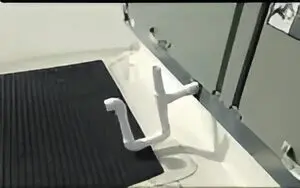
The other problem with the “current” industry standard traps is appearance and a lot of times are downright cumbersome or obtrusive. After spending a lot money on a brand new “professional system installation”. Except! For One Thing!... This hokey looking piping configuration that was just slammed together, which looks like something cobbled by a 3-year-old that just raided your pipe fittings. When these traps stick out too far, they become subject to frequent damage, especially in the case of the “P” type, given the very nature of its design combined with how and where there used, are constantly getting broken off.